

As one of the Top 3 cancers amongst men and women, colorectal cancer is one of the most frequently diagnosed forms of cancers that affects adults in Singapore.
Surprisingly, not everyone knows that colorectal cancer is also one of the most preventable cancers in the world, and screening through colonoscopy can easily detect and treat possible growth and tumours in the colon before they turn cancerous.
With that said, there is often loads of misinformation surrounding colonoscopy leading you to think that colonoscopy is a hassle and sometimes unnecessary. To help you have a better picture of this vital screening procedure, here are the common truths & false about colonoscopy.
#1: Colonoscopy is the Gold Standard for Colorectal Cancer Screening – TRUE
Colorectal cancer screening can be done in several methods which have different ways to detect and highlight signs of abnormalities.
In Singapore, there are a total of 4 methods for screening:
- Faecal Occult Blood Test (FOBT),
- Faecal Immunochemical Test (FIT),
- Barium Enema &
- Colonoscopy
Faecal Occult Blood Test (FOBT)
The Faecal Occult Blood Test (FOBT) is a stool test used to detect hidden (occult) blood in the digestive system. Through the test, blood in the stools can help doctors assess if these indications are signs of colorectal cancer or polyps of the colon or rectum. However, this test is unable to be conclusive as not all forms of cancers or polyps can lead to bleeding, which affects the accuracy of the test.
Faecal Immunochemical Test (FIT)
Much like the FOBT, the Faecal Immunochemical test (FIT) is a quick and easy way to test for tiny traces of blood in your stools, which might otherwise go unnoticed. However, this method may lack accuracy as there are other medical conditions such as inflammatory bowel diseases, which can produce similar symptoms.
Barium Enema
A Barium enema examines the lower gastrointestinal tract with the use of X-rays. Through the investigation, a barium solution will be pushed into your body through an enema to help improve the images captured when you undergo an x-ray of the colon. However, the investigation may not always capture all images as they could be obscured or if the images captured are not clear enough.
Colonoscopy
Colonoscopy is seen as the gold standard to colorectal cancer screening because the screening allows doctors to view the entire tract of the colon during the investigation. Moreover, during the process, doctors are able to detect and surgically remove polyps simultaneously, effectively removing the possible cause of colorectal cancer: polyps.
#2: I have no signs of colorectal cancer, so I don’t need to be screened – FALSE
Colon polyps or colorectal cancer may not always present with any symptoms. In fact, most people with colorectal polyps do not know they have it until they undergo a colonoscopy.
By scheduling regular colorectal cancer screening (every 3-5 years), you are effectively keeping a lookout for signs of polyps when they are small and malignant. This is especially powerful as colon or rectal polyps can take 10 to 15 years to develop into cancer. With screening, doctors are able to address any abnormalities, thereby increasing your chances of survival and recovery.
#3: Medisave can only be used for colonoscopy if I am above 50 years old – FALSE
While Medisave is recommended for usage for people who are aged 50 years old and above, it is not limited to only people who are above the age range. Medisave can be used to pay in part or in full for a colonoscopy even if you are below the age of 50 years old if they are part of an investigative procedure.
As it stands, colorectal cancer is becoming more common amongst young adults who are 50 years old and below, so if you notice a sudden change in bowel habits (eg. bleeding in stools, discolouration of stools and consistency, change in frequency of bowel movement), you might want to arrange for a colonoscopy as an investigation.
#4: Colonoscopy is painful – FALSE
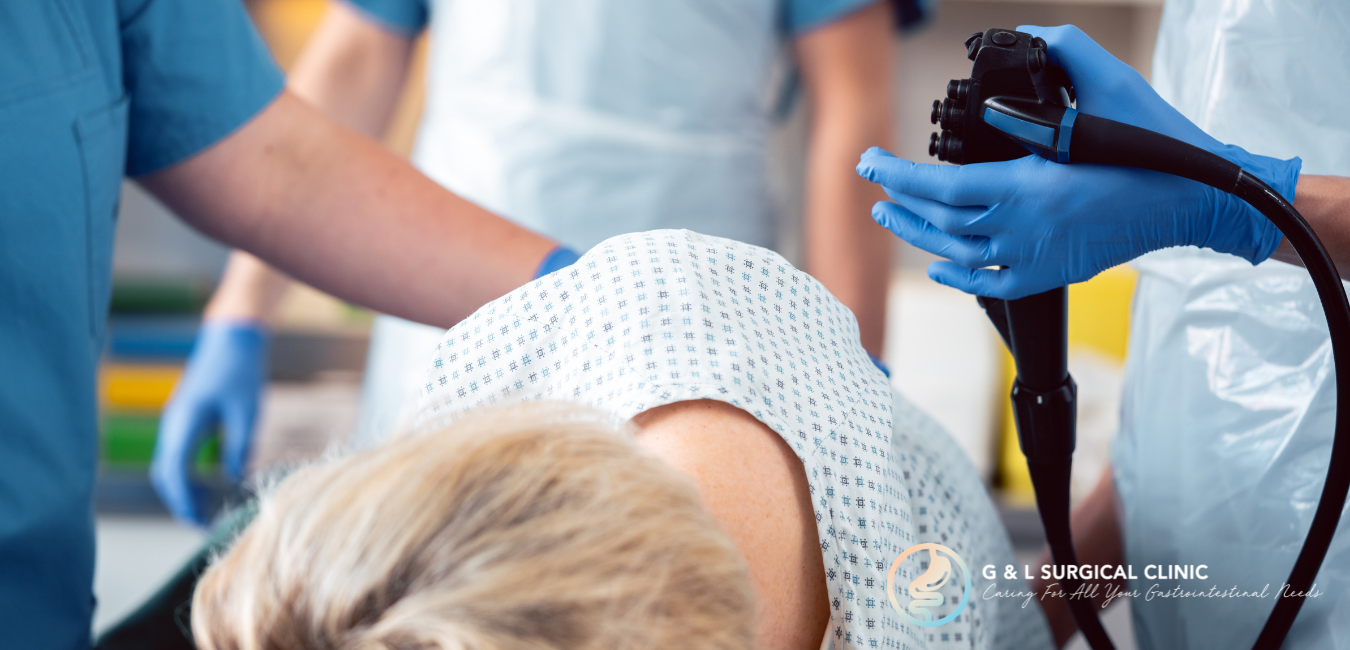
You might think that colonoscopies are painful but in fact, most patients who experienced the procedure have no recollection of the process. Before the colonoscopy takes place, general anaesthesia will be administered by your doctor and you will fall into a deep sleep and remain unconscious throughout the procedure.
In most cases, patients will only remember waking up in the recovery room after the entire procedure has been completed.
#5: Colonoscopy is expensive at Private Health Institutions – FALSE
While colonoscopy may cost slightly more at private health institutions, the price of an investigation may not be as exorbitant as you’d think. With the use of private insurance and Medisave, most people may realise that they do not need to fork out as much money to arrange for a colonoscopy, and it’s usually a cashless procedure.
As an added perk if you are considering arranging one for yourself, the waiting time for scheduling a colonoscopy is much shorter at a private health institution and you’d probably be able to have the investigation done within the week.
#6: A Colonoscopy Is Only Used To Detect Cancer – FALSE
A common misconception is that colonoscopies are exclusively meant for detecting colon cancer. While it’s true that the procedure is vital for early detection and prevention of colon cancer, it serves various other diagnostic purposes.
Doctors utilise colonoscopy to identify and sometimes treat a plethora of colorectal problems such as polyps, inflammatory bowel diseases (like Crohn’s disease or ulcerative colitis), diverticulitis, and other abnormalities or issues within the colon.
If you’re experiencing unexplained changes in bowel habits, abdominal pain, or bleeding, a colonoscopy might be recommended irrespective of your cancer risk.
#7: A Colonoscopy Can Be Claimable By My Private Insurance in Singapore – TRUE
In Singapore, private insurance coverage for colonoscopies is typically limited to diagnostic procedures. This implies that if a healthcare provider has identified specific anomalies or clinical indications that warrant a colonoscopy for diagnostic purposes, such as investigating underlying health issues, the associated costs may be eligible for insurance claims.
However, routine screening colonoscopies, which are conducted as a preventive measure in the absence of specific medical concerns, are generally not covered by private insurance policies. It’s essential to consult with your insurance provider to understand the specific terms and conditions of your policy to determine the extent of coverage for colonoscopy procedures
#8: I Am Not Allowed To Eat Before A Colonoscopy – FALSE
Before a colonoscopy, it is true that patients are not allowed to consume solid foods. Ensuring the colon is clean is crucial to allow the doctor a clear view of its inner lining.
For this reason, patients are usually advised to start a special diet the day leading up to the procedure. This typically involves a clear liquid diet, which can consist of broths, clear juices, tea without milk, and jelly. Solid foods are strictly off the menu during this preparatory phase.
To ensure there are no obstructions in the colon, a laxative preparation is commonly administered the night before to clear out any residual content. Adhering to these dietary restrictions and preparations is paramount to guaranteeing the procedure’s success and accuracy.
Conclusion
And so we have it! How many of these statements have you gotten right?
While it’s important to discern what’s true and false, we should always remember the one fact that almost all colorectal cancer begins as a small polyp, and if you are conscious about doing regular screening through colonoscopy, you can prevent the polyp from ever turning cancerous. Prevention is always better than cure.
If you’re looking for a trusted doctor who will be able to answer your questions about a colonoscopy, consider scheduling an assessment with our team to better understand your health. Contact us directly via WHATSAPP or call our CLINIC for assistance.


 English